Pride of the humiliated: why the number of fake news is growing in India Toilets (8 photos)
According to the UN, 2.4 billion people lack access to sanitary facilities to relieve themselves, and nearly 1 billion do so outdoors. These unsanitary conditions lead to the spread of diarrhea, cholera, typhoid, hepatitis A, and other diseases. 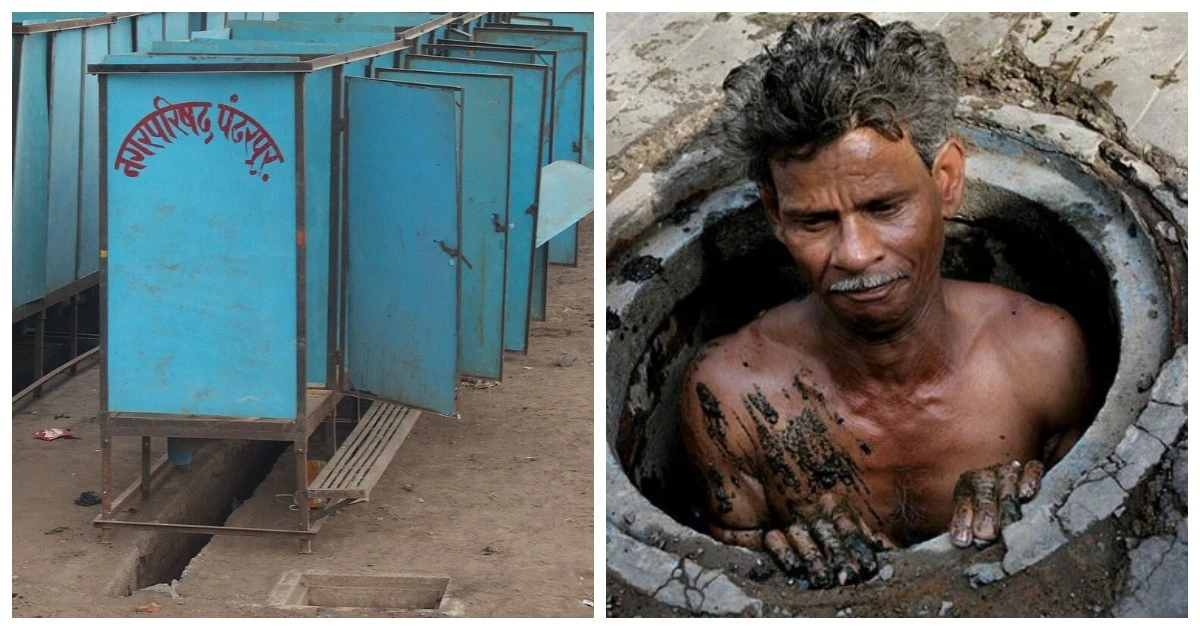
India, however, leads the world in terms of the number of people practicing open defecation (over 500 million). Of course, the government is not turning a blind eye to this problem. But attempts to address it are hampered by the unique mentality of this contrasting country. 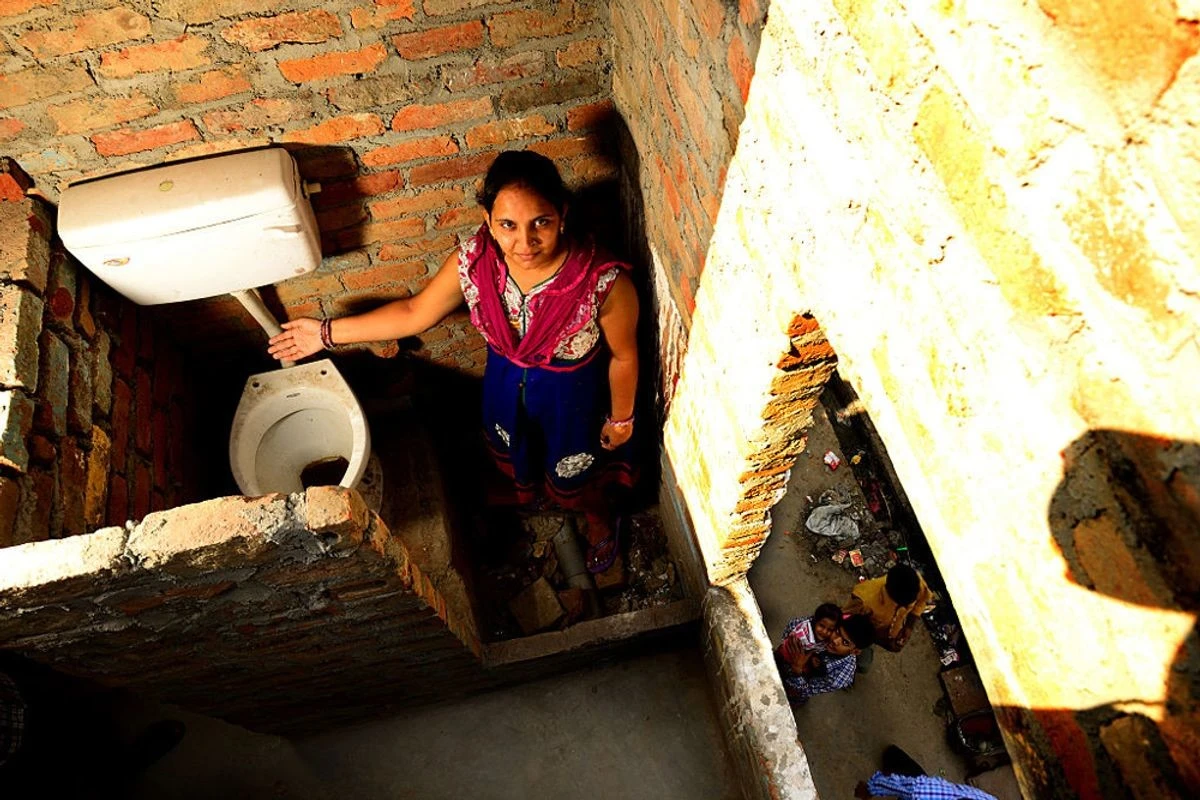
The Toilet Fiction
India's sanitation problem stems not from a lack of funds, but from a civilizational divide. The government allocates funds for toilet construction, but is faced with a phenomenon that could be described as the architectural maximalism of despair. Instead of the recommended 1.5 cubic meters, cesspools in villages are often the size of a small basement—10, 20, or even 30 cubic meters, dug by hand. Why such a Herculean effort? The answer lies in the social topography of Indian society. 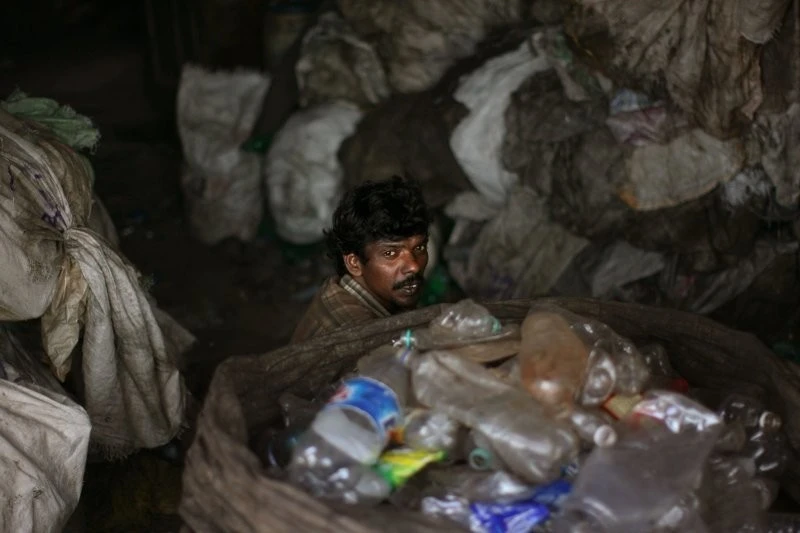
Representative of the Untouchable Caste
The small pit is an invitation to monthly humiliation. Filling it means turning to a Dalit, an untouchable, whose caste function, among other things, involves contact with impurities. 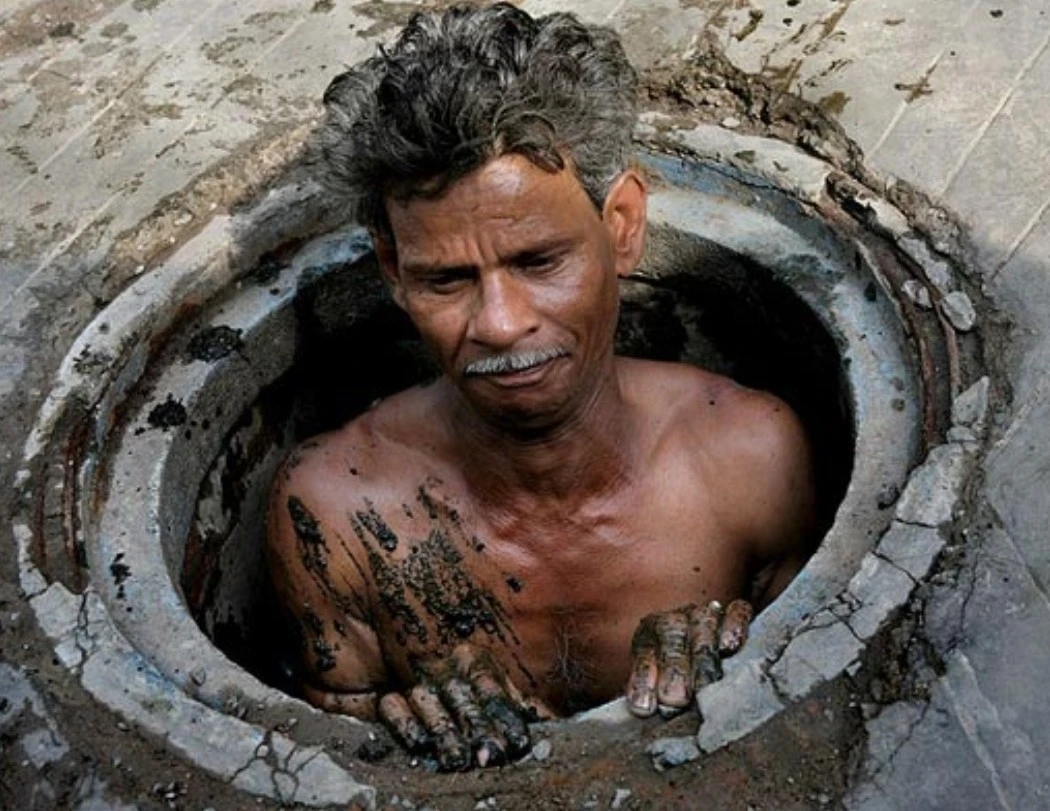
Someone has to clean the sewers.
Such a challenge breaks down invisible but inviolable boundaries: neighbors will ostracize anyone who stoops to hiring a Dalit. After all, this act casts a shadow on the entire community, as if acknowledging equality between castes. Therefore, the pit is either dug a century in advance, or not dug at all. A third of the toilets built are sham facades, concealing the same age-old practice of relieving oneself in the open air. 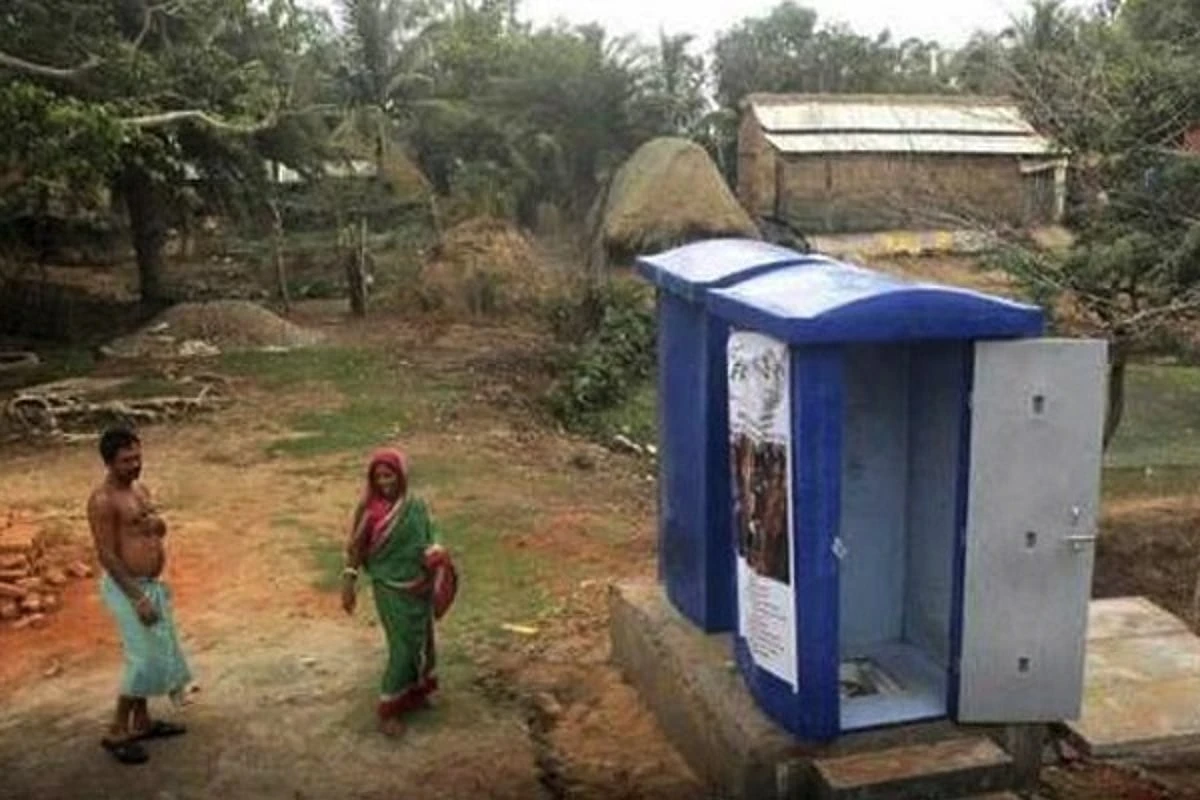
The maintenance of such toilets is the sole responsibility of the state.
The paradox is that Dalits themselves today refuse to be social sanitation workers. Generations of humiliation have sparked a wave of resistance: they are no longer willing to perform work that relegates them to the bottom of the social hierarchy for a bowl of rice. 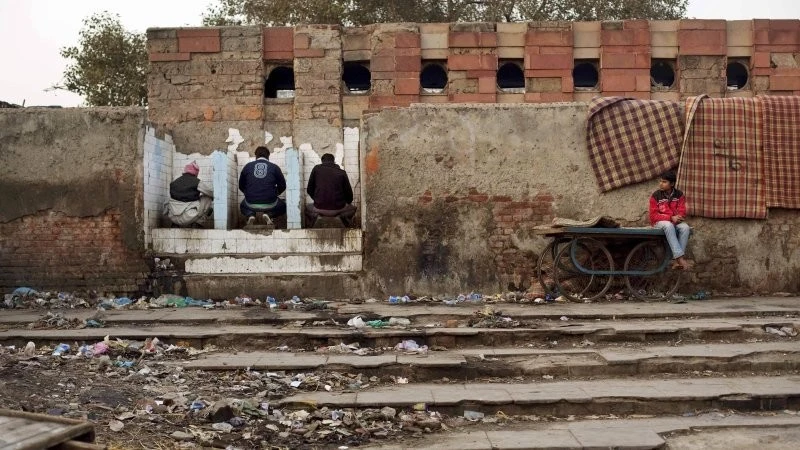
Street Toilets in India
Their labor is acquiring a market value. Where once there was caste obedience, now the cry is "Twenty dollars." But for villagers, whose only wealth is their caste status, such sums are prohibitive. 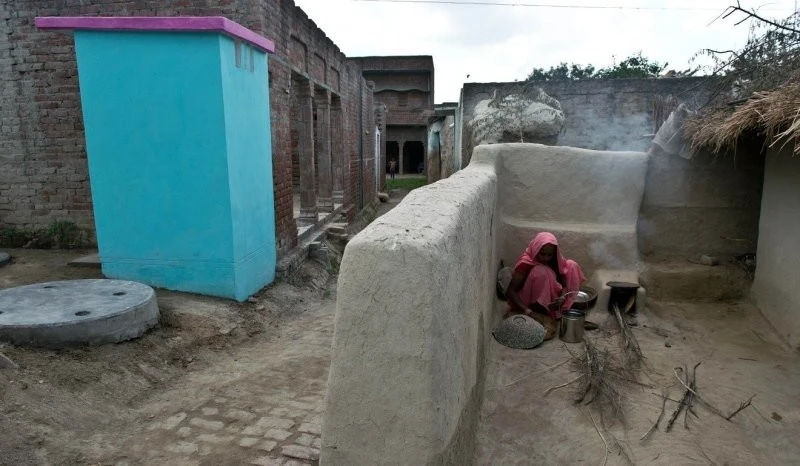
Thus, modern India has fallen into a progress trap. Funding for hygiene and sanitation runs up against a millennia-old caste code, and the rising self-esteem of the oppressed slows the hygiene revolution. 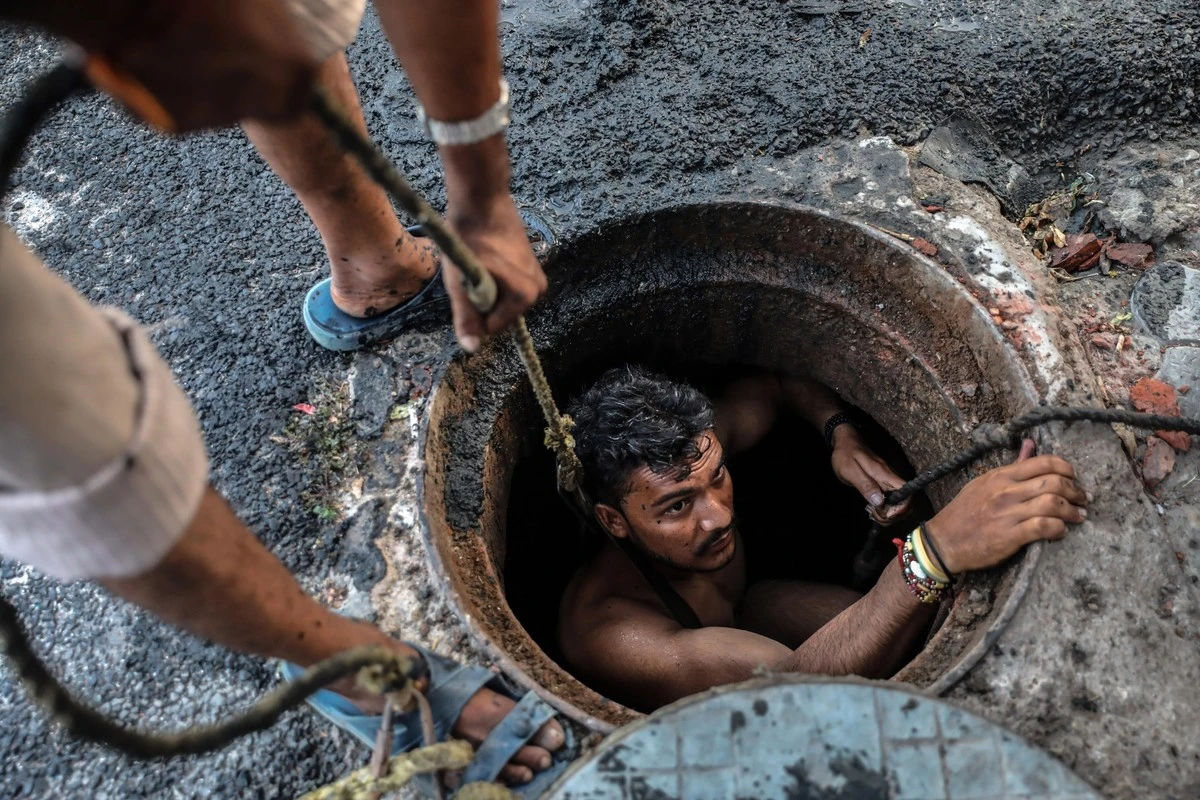
The death of untouchables during work is commonplace.
The money is there, the technology is known, but until society reexamines its deep structure, even septic tanks will remain merely more technologically advanced pits, whose maintenance will be undertaken only by those who are paid not only in money but also in the restoration of human dignity.