A cozy trap: how a scientist's home turned into an eternal monument to the radium fever era (5 photos)
In the early 20th century, when radium fever gripped scientists and entrepreneurs, Armenian émigré Dikran Kabakjian joined the race for a substance promising medical miracles and fabulous wealth. 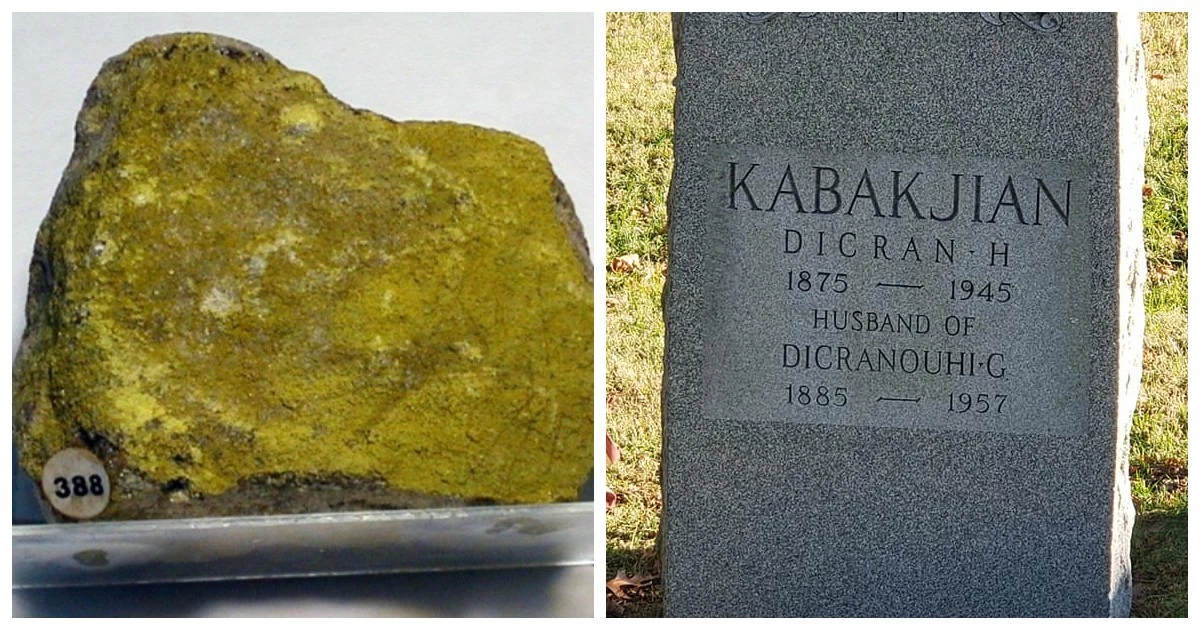
This Philadelphia inventor and businessman had no idea that his ambitions far outstripped the era's meager safety knowledge. 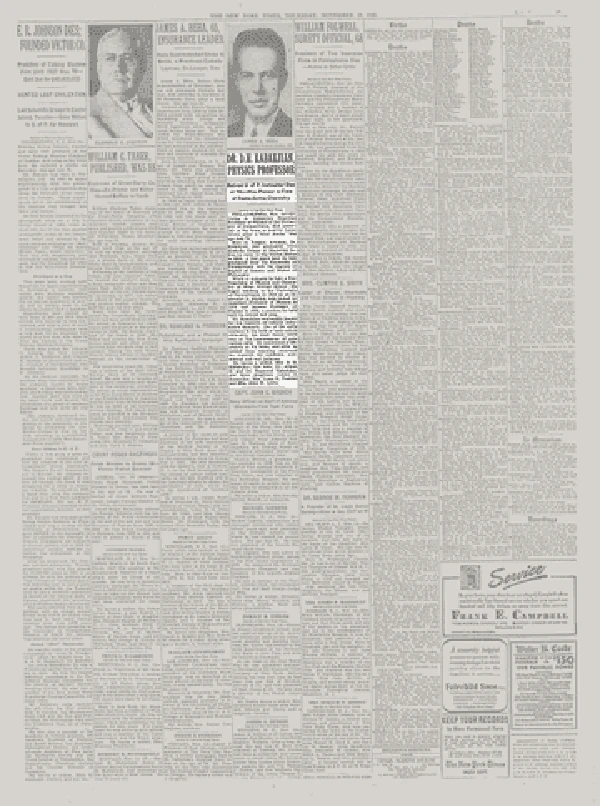
He belonged to the world of independent experimenters who believed that persistence and ingenuity would allow them to obtain a substance more valuable than gold. Kabakjian was unaware that radium was a danger unheard of in home workshops. In his attempts to purify it, he so permeated his home and laboratory with an invisible threat that decades later, federal inspectors would hear the ominous clicking of a Geiger counter within its walls.
In 1913, Kabakjian developed an effective method for extracting radium from uranium ore and became a consultant to a chemical company that opened the region's first processing plant. But when the deposits were depleted in the 1920s, the scientist moved production to the basement of his three-story Victorian mansion. The entire family was involved in the process: the sons crushed the ore, the daughters grew crystals and packed them into platinum needles for cancer treatment. 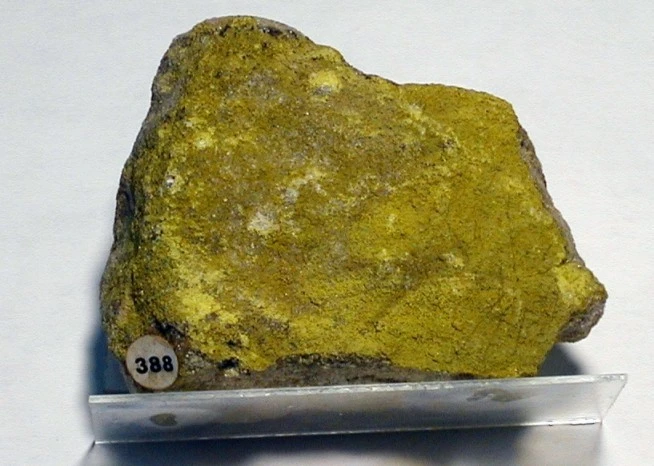
Carnotite is one of the minerals of industrial importance for radium extraction.
After Kabakdzhian's death in 1945, the house changed hands several times until a 1961 test revealed catastrophic radiation levels. The entire building, from basement to porch, was dangerously contaminated. A long battle for cleanup began, culminating only in 1989 with the demolition of the building and the removal of thousands of tons of radioactive materials.
An investigation revealed an even more disturbing fact: waste from the first plant had once been distributed to construction workers, and radioactive sand had become incorporated into the plaster and concrete of many homes in the area. The Environmental Protection Agency identified 21 contaminated sites, and some buildings had to be demolished. 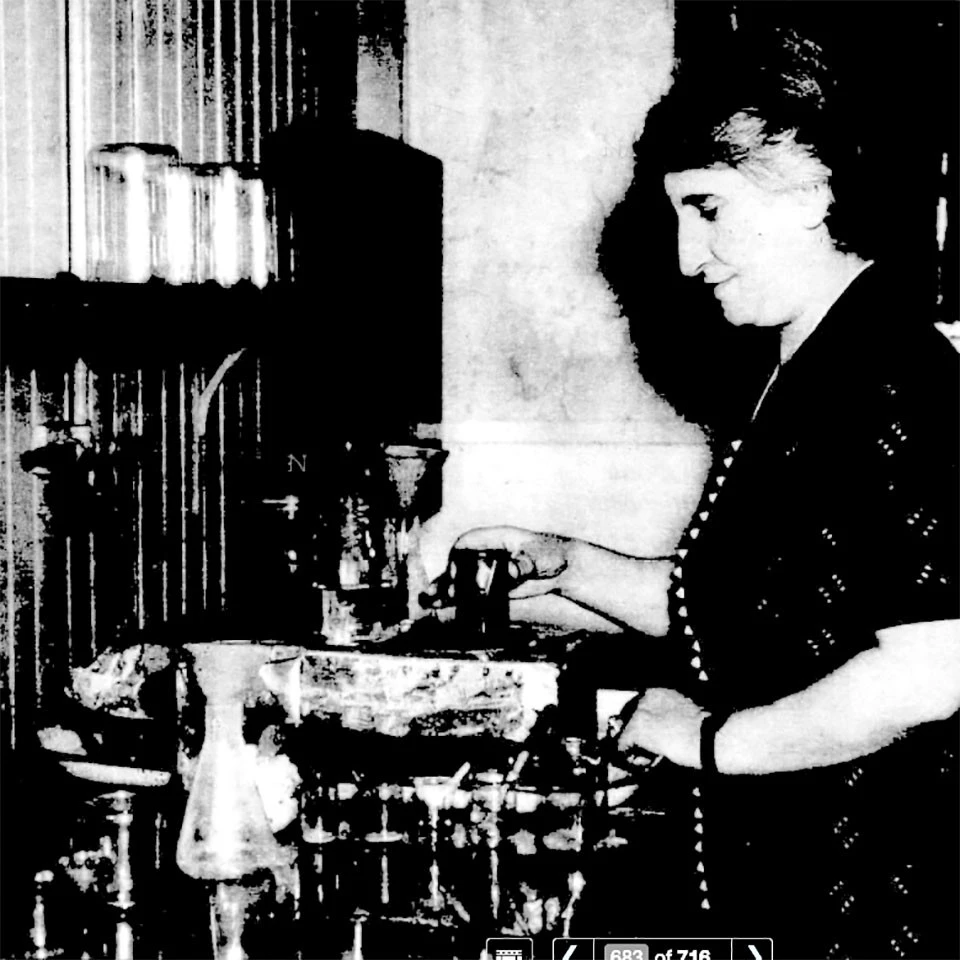
While a direct link to radiation exposure cannot be proven, the fates of the building's residents remain a grim epilogue to this story:
Anna Tallant, who lived in the building from 1949 to 1961, died in 1969 of breast cancer at the age of 54.
Dikran Kabakjian's son, Dr. Raymond Kabakjian, who spent much of his childhood in the building, died in 1977 of abdominal cancer at the age of 65.
Kabakjian's grandson, Raymond Jr., died in 1983 of bladder cancer at the age of 37.
William Dooner, who supplied the house with carnotite ore for two decades, died in 1984 at the age of 71 from lung cancer. 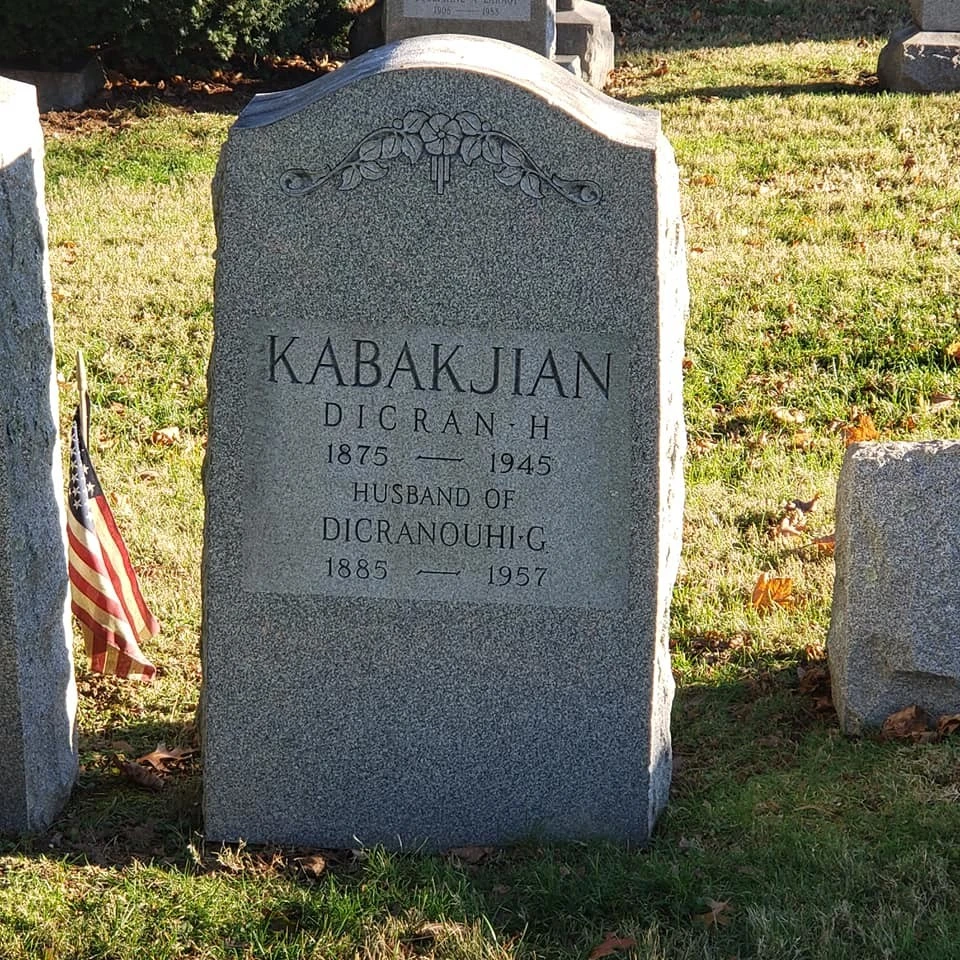
Dikran Kabakjian's radium dream became a multimillion-dollar lesson buried under tons of clean soil, and an eternal reminder of the price humanity sometimes pays for its curiosity.