Let there be light: at night, on a schedule, and with a price tag for extra hours
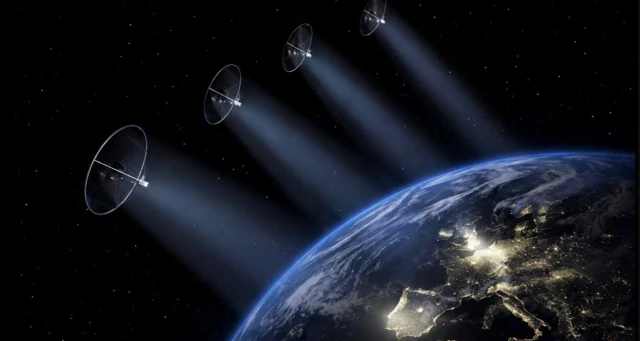
The US Federal Communications Commission has decided that the natural cycle of day and night is no longer sufficient and has given the green light to the startup Reflect Orbital to test the Eärendil-1 mirror satellite. The idea is ingeniously "bright": the device will capture sunlight and illuminate nighttime areas of the Earth, transforming deep darkness into a semblance of early twilight. So far, the stated goals are quite pragmatic – from assisting rescuers to recharging solar panels under cover of darkness. However, the company's plans are truly Napoleonic: by 2035, they plan to dot the sky with a fleet of 50,000 "artificial suns." It seems the expression "good night" will soon become an anachronism, as the opportunity to extend daylight hours for construction and other purposes will come at the cost of permanently losing astronomical observations.