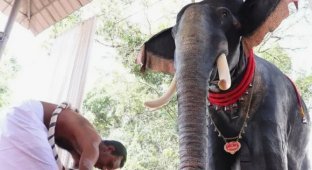
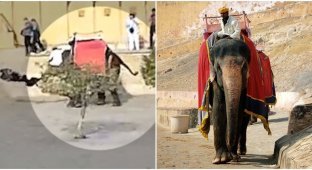
You can't ride elephants anymore – they've closed shop (6 photos)
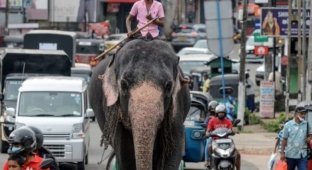
Following the ban in India, Bali and some regions of Cambodia have banned commercial elephant rides for tourists. For decades, touts have gathered outside major resorts, inviting tourists to ride on elephants' backs. And now they're closing one after another, literally in a hurry. 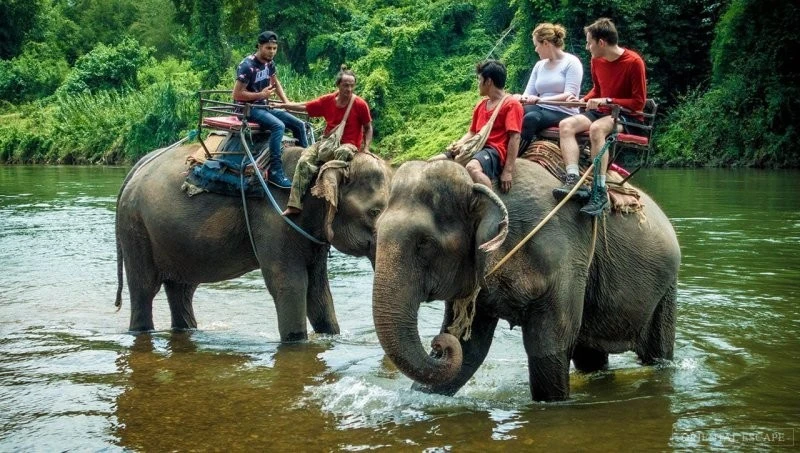
What happened to the elephants? 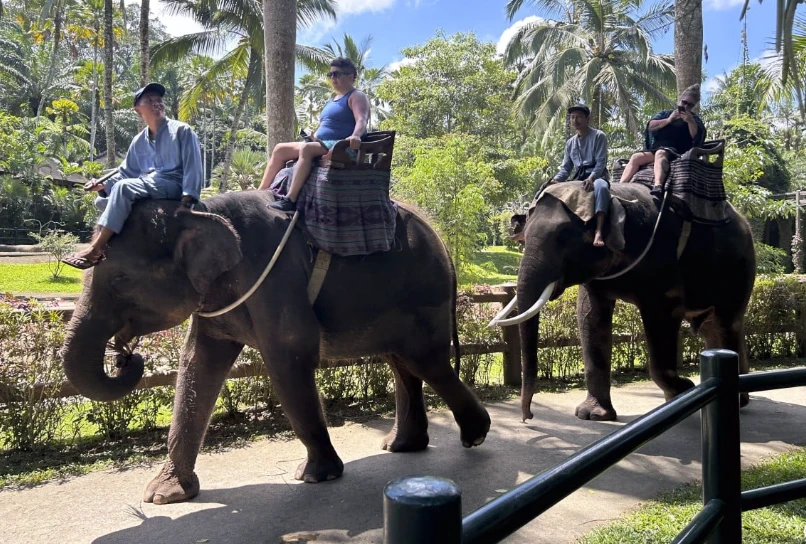
Asian young elephants aren't that big, but they're clearly more powerful than horses.
This is a global trend, though it's been quite disappointing for tourists in Bali. Previously, elephant rides in Indonesia were technically legal with a permit. There were even official "elephant operators," such as Mason Elephant Park. They always maintained that elephant rides were safe and beneficial for them, as a human weighs practically nothing to an elephant. 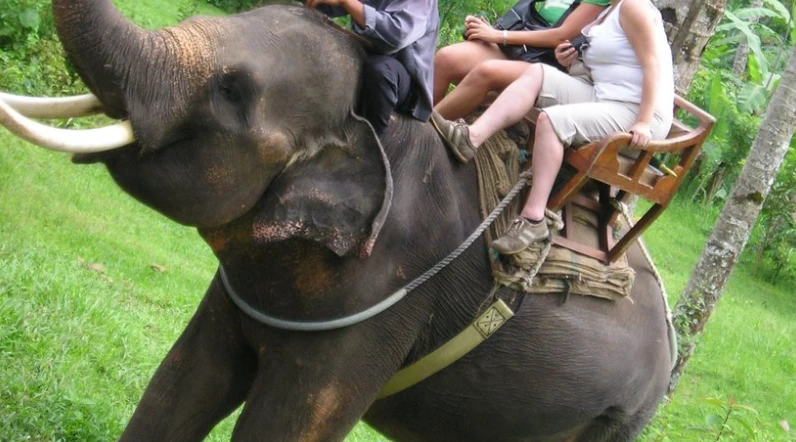
A trip with three people should probably be banned, it's a bit much.
But the Main Directorate of Natural Resources issued a notice calling for an end to "performances" and a shift to "educational and ethical tourism." And then everyone's licenses started being revoked, and rental zoos and parks across the country began closing en masse. For twenty years now, activists have been declaring that this practice of giving tourists rides is harmful to elephants. Because before riding, elephants need to be strictly trained so they don't scare people. 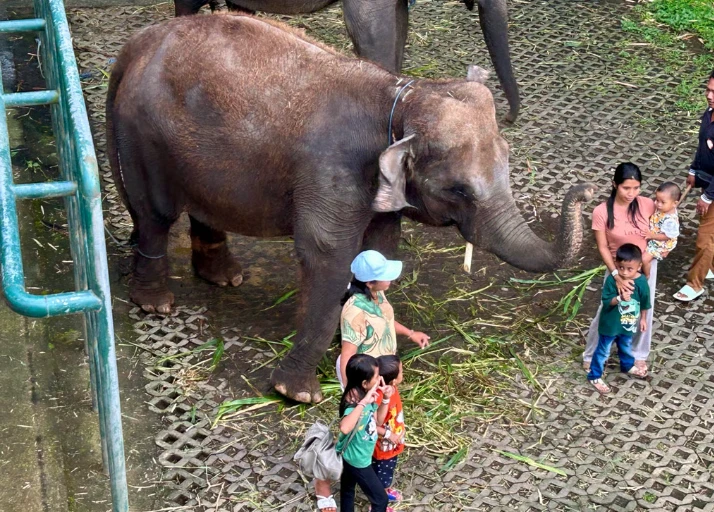
As you can see, the elephant at the zoo is tethered by one foot to prevent it from trampling children. So, it's okay to tether by the leg, but not to ride.
And training begins at a very young age; baby elephants are trained with sharp hooks to teach them to walk calmly under the reins. It's believed that the constant weight of the saddle and rider bends the elephant's spine over time. And its legs, unaccustomed to walking on asphalt, not the soft jungle soil, wear down. And it's impossible to shoe an elephant.
But what to do with the freed elephants? 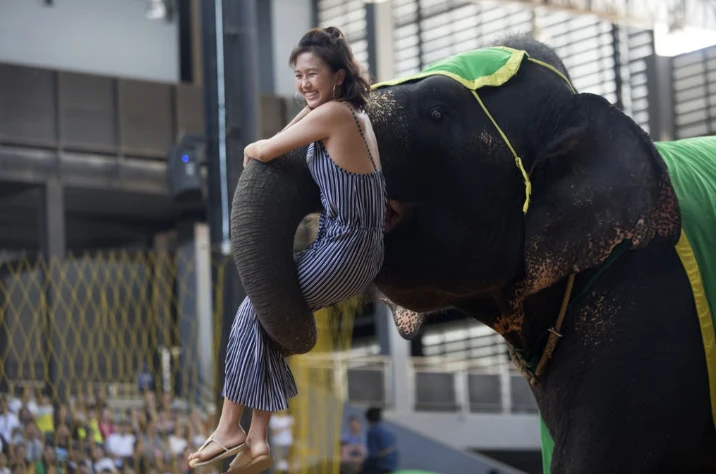
Thailand's elephants are generally cool; they know all sorts of tricks with tourists' hats and can even lift them.
You can't touch them anymore; you can only watch them. Now, at Bali zoos, you can observe elephants' natural behavior in conditions as close to their natural habitat as possible. There will also be educational tours with stories about elephants. This is a very painful transition for the tourism industry, as people don't come to such parks for education. 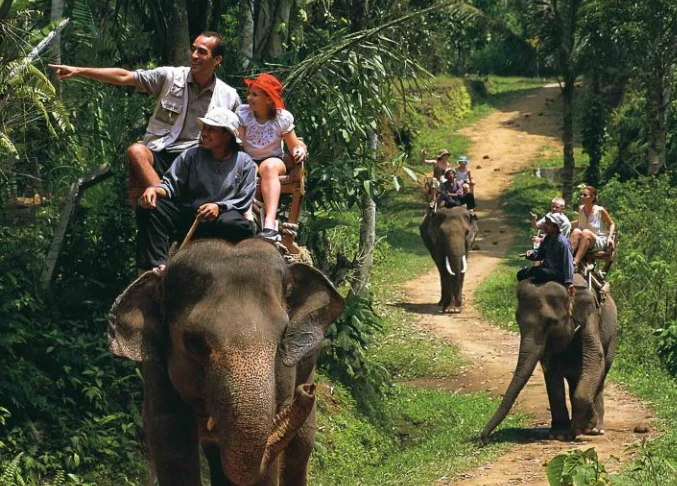
An elephant ride through the jungle is incredibly cool, it's a shame they're banning it.
Zoo workers insist that the new generation of tourists wants their vacations to be based on "elephant suffering." But the numbers say otherwise; the chance to ride an elephant was a very important draw for tourists. I rode an elephant once, a long time ago, just out of curiosity. The elephant was very healthy, healthier than the donkeys in children's parks. I'm not sure they won't start culling elephants and their population will decline after the entire elephant tourism industry has closed. You rode an elephant; do you think it was difficult for him?